What it’s really like to practice medicine at Optum
Key takeaways
- Optum physicians get the support they need to bring their best selves to patients and to life outside of work.
- Optum provides data, technology and resources that allow physicians to work together and improve health care.
- Optum offers pathways for professional growth and leadership development.
Optum is focused on physician well-being
Optum believes that in order for physicians to do their best work, they need to be supported clinically, personally and professionally. That belief shapes the three priorities that define the practice experience at Optum: well-being, impact and growth.
For Dr. Jaren Trost, senior medical director for an Optum Independent Physician Association (IPA) serving New Mexico and Arizona, well-being started with something simple: a workload that was actually sustainable. He recalled that when he first started, he had just finished five years of training, so he already felt a little burned out. But Optum felt different from the start. “It was kind of like a breath of fresh air once I started at Optum,” he says. “[It was] a lot different from other places where I interviewed, that would put me in a clinic, and I would see 30 to 40 [patients] a day. I honestly felt that Optum cared about physician well-being.”
We're striving to create an environment that offers professional fulfillment. Everything from our consult schedules and team-based care models to the access our physicians have to real-time data is designed to enable our physicians to do what they do best: care for their patients.
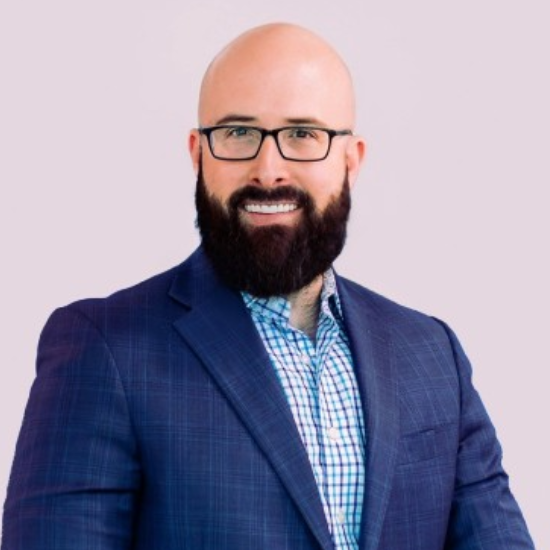
“It was kind of like a breath of fresh air once I started at Optum [...] I honestly felt that Optum cared about physician well-being.”
Dr. Jaren Trost | On being given a sustainable patient workload.
Dr. Edmund Kim, associate site medical director and senior medical director for Optum Clinician EHR Optimization, has seen firsthand what a difference it makes when clinicians help shape the technology they use every day. Even a clinician skilled enough to juggle technology and care still feels the weight of it: "I'm a clinician who can type and look at the patient at the same time," he says, "but there's definitely a cognitive load to that and just a higher level of stress."
The electronic health record (EHR) system used throughout Optum is built for the clinicians who use it. Bringing physicians into the design process ensures the tools available in the EHR can work with them instead of against them. Artificial intelligence (AI) is one example of that approach in practice. Optum physicians helped create a best-use practice for AI to help with documentation. Dr. Kim wasn't certain how his peers would initially react to AI in their practices: "I wasn't thinking it would be so well accepted. But the feedback has been absolutely incredible." What he hears now is that physicians finally feel they're able to stay with a patient through a hard conversation and "not be interrupted by the computer." It's technology that, in his words, has "brought joy back to physicians."
That's the shape of well-being at Optum: a sustainable workload and a system built around physicians, so they can focus their attention on delivering care in the exam room and still experience work-life balance at the end of the day.
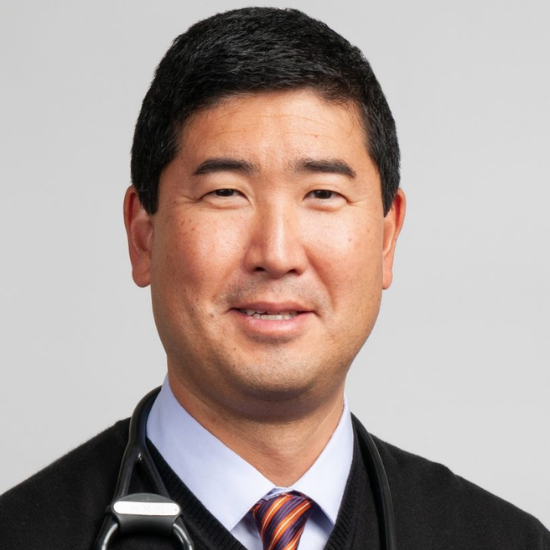
"I wasn't thinking it would be so well accepted. But the feedback has been absolutely incredible."
Dr. Edmund Kim | On Optum physicians utilizing AI-supported documentation.
Optum physicians make a meaningful impact
With value-based care, physicians often realize the full impact they can have on a patient’s life. They are focused on the total health of their patients, so they tend to identify issues that are often overlooked by physicians in a volume-based model. Dr. Calvin Tsao, medical director for Optum Home & Community Care Delivery, holds his team to a standard built around that idea: “All of the decisions that we make should try to make the patient’s life better.” In practice, that means asking the questions that most systems don’t have time for: “Do they have food security? Do they have transportation? Do they have stable housing?” The biggest determinants of health are rarely found in a lab or a chart.
Dr. Sarita Warrick, chief medical officer for Optum Arizona and New Mexico, calls one patient her “first major success story in value-based care.” The female patient arrived at her first consult, a hospital follow-up, with a history of heart failure, kidney disease and brittle diabetes, plus a bag of 20 to 30 medications, many of them duplicates or leftovers. Because the visit was a value-based follow-up, Dr. Warrick provided what this patient needed most: time. “I was able to go through medication by medication,” she recalls. “We were able to cut down about a third of her medicines right there.” She saw the patient weekly, then monthly, backed by a full team, until a woman who’d been going to the emergency room three or four times a month was rarely there at all. “It was a dramatic change,” Dr. Warrick says. “There was some lightening of the shoulders right away, which I love to see.” That attention extended the patient’s remaining years with her family. “I think in a very healthy way, we prolonged her time. She didn’t expect to have that many more years, and it was quality time.”
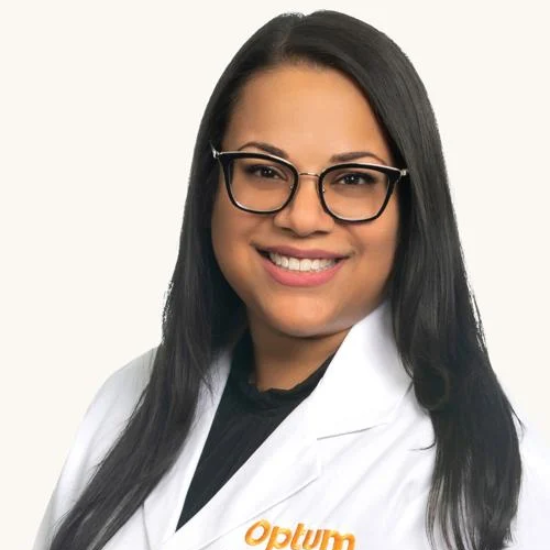
“It was a dramatic change. There was some lightening of the shoulders right away, which I love to see.”
Dr. Sarita Warrick | On providing value-based care to one of her patients.
Dr. Trost’s version of impact started with no plan behind it at all. Watching his sickest, hardest-to-reach patients in rural New Mexico cycle in and out of the hospital, he started driving out to see them, on his own time. “At that time, I didn’t have any approval. I didn’t have anything. It was just my heart telling me that I needed to do something more,” Dr. Trost says. When leadership heard about his outreach, they didn't rein it in; they invested in it. “I would talk to the top leaders in the company, and they really cared about my vision and how they could help with that.” What started as one physician driving his own car has since become a full-time team of nurse practitioners and medical assistants, with mobile vans reaching rural areas. It has become a model for the Optum House Calls program.
At Optum, that’s what impact means. It’s how physicians show up for the total health of their patients and how our organization will back our physicians to change the way we deliver care for the better.
At Optum, careers grow with you
There’s no cookie-cutter career at Optum, and there’s no fixed track that a physician is expected to follow. Dr. Kim combined his clinical training with his background as a mechanical engineer to help lead Clinician EHR Optimization, a role built around his individual skills rather than any existing template.
Optum offers programs through the Provider Development Institute, including the Sequoia Fellowship Program, giving clinicians a path from clinical practice to leadership roles. Dr. Kim calls Sequoia "kind of the pinnacle of the leadership programs with Optum," one he's still working toward. What he's taken from the path so far: "We do have opportunities to find out what it is that we can do. And not be afraid of trying it."
Dr. Trost found a similar door open once his own rural outreach initiative got noticed. He began attending annual Optum partnership forums and was accepted into the Sequoia Fellowship program, where he could work alongside clinician peers to build leadership skills. As he puts it, “The amount of resources they give to somebody with passion is really good.” While he didn’t set out to be a leader, Optum presented a path for him to apply his interests and strengths into a way to improve care.
Dr. Warrick has experienced similar growth over two decades. She started with a panel of 200 patients she knew by name. As her role grew, first to 500, then 1,000, then into markets counting patients in the tens of thousands, she became a mentor and leader. She describes the shift in her career as an evolution to “not only help more patients but also scale my impact through my team.” Today, she leads a team responsible for roughly 100,000 lives across two states, still built on the same instinct that made her want to practice medicine in the first place.
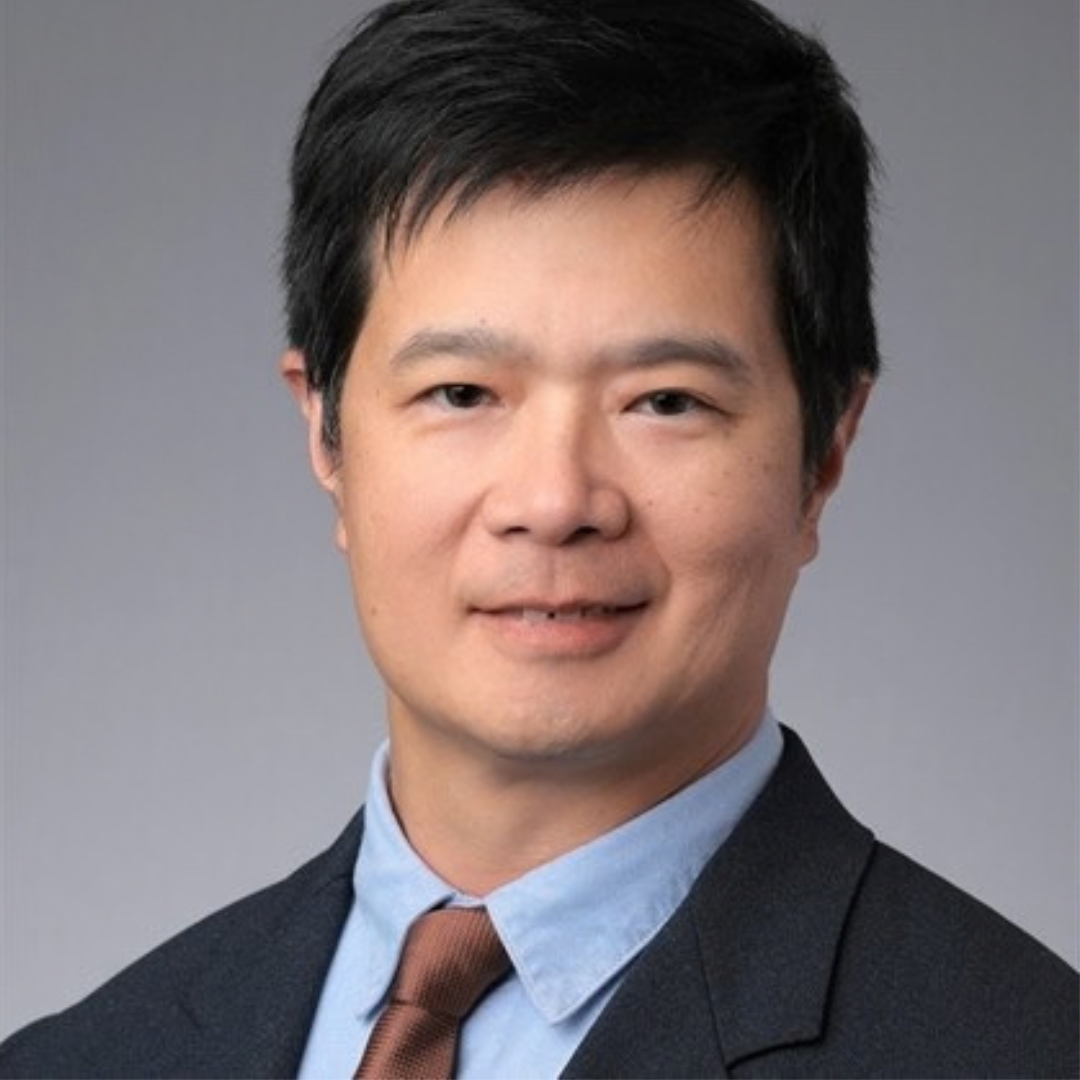
“All of the decisions that we make should try to make the patient’s life better.”
Dr. Calvin Tsao | On guiding his team to ask patients the right questions.
For Optum, the path to better care begins with caring for our physicians
Stories like those of Dr. Trost, Dr. Warrick, Dr. Tsao and Dr. Kim repeat nationally throughout the Optum care network. Our organization is built better because it’s designed around a physician’s expertise, well-being and ambition.
That's what practicing medicine at Optum looks like: a workload built to be sustainable, a connected care team, real data behind every clinical decision and a career that can grow in whatever direction a physician's ambition leads.
If this sounds like the kind of practice environment you've been looking for, explore open physician roles at Optum and discover what a culture focused on physician well-being and growth, and the opportunity for real impact, could mean for your career.
Hear more from Optum physicians
Want more Optum physician stories? Tune in to our Clinician Real Talk Podcast video series for full interviews from some of the physicians featured in this article.
Tags:
Related Posts
Share This Story