Physician assistant jobs at Optum: Purpose and patient-centered care
Key takeaways
- For physician assistants like Josh and Mary Kay, impact is personal and shaped by purpose‑driven work that fits both their careers and lives.
- A collaborative, trust-driven culture helps physician assistants grow meaningful careers while delivering high-quality care with an employer of choice.
- Expanding skills across care settings empowers clinicians to meet patients where they are, strengthening connections and driving meaningful clinical impact.
Leading with impact
Many clinicians are driven to healthcare by a desire to help others. That impact comes to life in patient relationships, clinical decisions and the difference they make every day.
For physician assistants (PAs) and spouses Josh and Mary Kay C., impact shows up in how they listen, collaborate and support patients through every stage of care. Their career story shows how purpose comes to life through work that makes a difference.
Finding a purpose through the PA path
Josh and Mary Kay didn’t just choose the same profession — they met on their very first day of PA school.
“It was really a matter of right time, right place,” Josh shares.
Like many PAs, they chose medicine for different reasons. Josh was inspired early on by watching his father care for patients. “I was his scribe for a while, so I got to see a lot of his patients,” he said. “And seeing the changes in them from visit to visit was a huge motivator.”
Mary Kay’s path started elsewhere. She originally explored biomedical engineering before realizing what mattered most to her. “The PA role for me really stood out because it sits right at the intersection of science and the medicine behind it.
“You're solving complex problems while also navigating people, their values, their fears, their concerns and their stories,” she remarks.
A culture built on purpose
Stories like Josh and Mary Kay’s reflect a culture shaped by collaboration, trust and shared responsibility for patient outcomes. When clinicians have support, space to learn and strong partnerships across care teams, they are better equipped to make thoughtful decisions for the people they serve.
For many PAs, that culture translates into the freedom to practice at the top of their skills while staying grounded in what matters most: delivering care that makes a meaningful difference in patients’ lives.
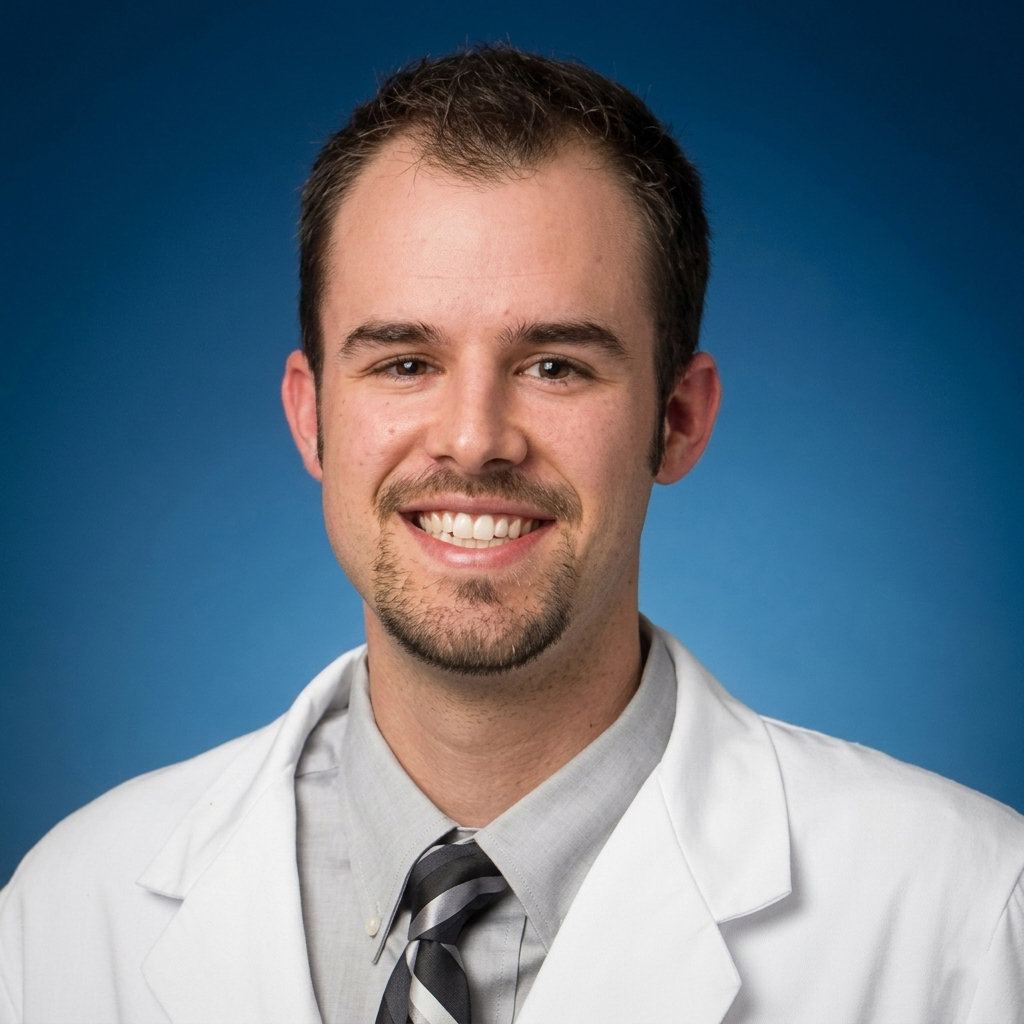
Josh C., Physician Assistant
“Getting to change people’s lives and for the better … that’s a good field to be in.”
Building patient connections while working alongside family
Today, Josh and Mary Kay work in the same primary care clinic alongside other clinicians, including Josh’s father.
They don’t share the same hallway or patient panel, but they do share a sense of connection that carries into their work.
“We work on different sides of the building, so we have to make an effort to see each other,” Mary Kay said. “But it’s nice to see each other at work, and I’ve been really enjoying getting to know his patients.”
Those relationships matter. Patients notice them, too.
A role that supports both autonomy and teamwork
For Josh and Mary Kay, one of the most fulfilling parts of being a PA is the balance between independence and collaboration.
“I’ve got my own patients, which I’m grateful for,” Josh highlights.
“I diagnose, treat and prescribe,” Josh explains. “And if I have questions, I can bounce them off of somebody and expect a genuine response.” That support allows him to build lasting relationships with patients.
This kind of collaboration is central to how clinical care is delivered, empowering PAs to practice at the top of their training while partnering closely with physicians and care teams.
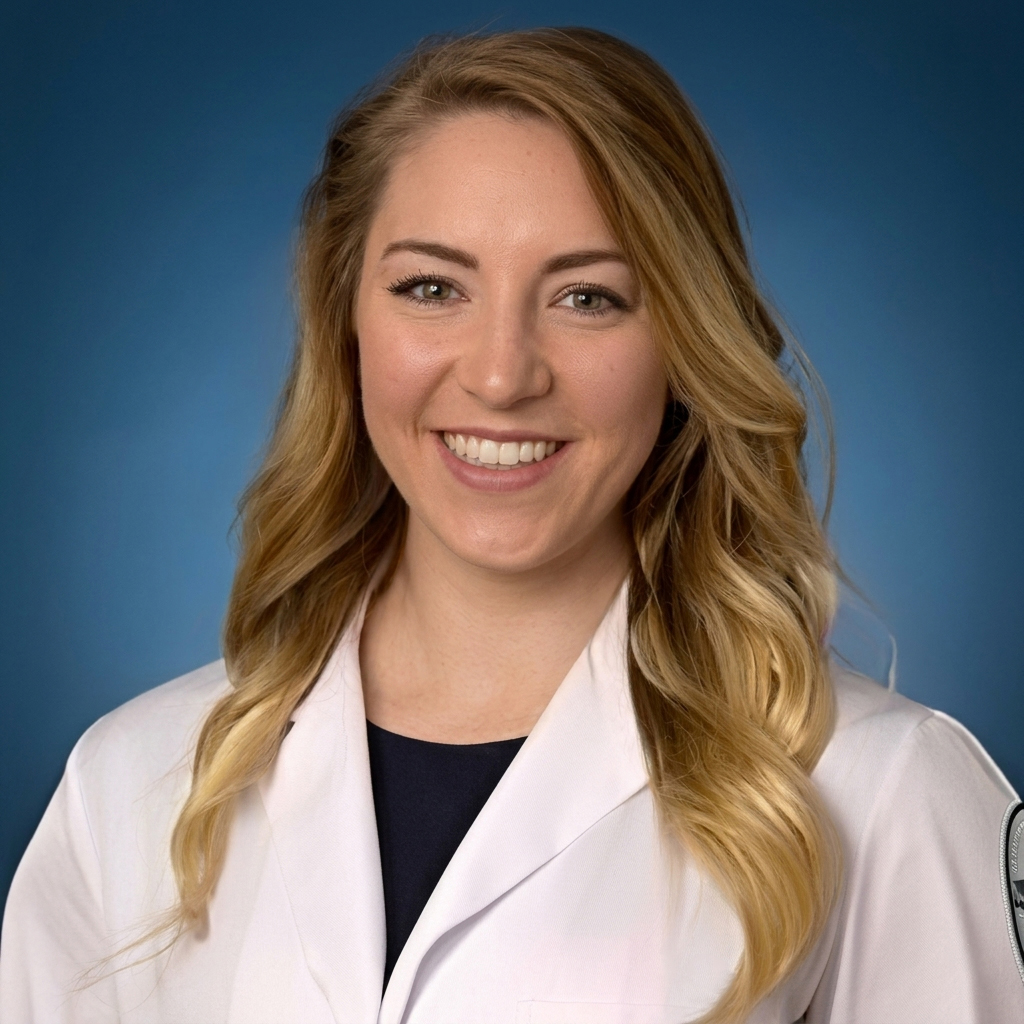
“It is very collaborative. I feel like I can really follow the patient journey. Every patient is different and I learn a lot as a result."
Mary Kay C., Physician Assistant
Impact that stays with the patient
For PAs, impact is built through the breadth of care and connection. The ability to care for patients across conditions allows PAs to recognize patterns, respond quickly and build trust over time.
Mary Kay brings that focus into every visit. Moving across care settings has allowed her to apply a broader clinical perspective while staying focused on long‑term patient needs.
“I was able to go from working in the ER to a primary care office without having to go back to school,” she shares. This range helps Mary Kay think differently about what patients may need next.
For Josh, impact shows up in the variety of care he provides in a single day. “On any given day, I can go from treating diabetes, to dealing with chest pain, to injecting somebody’s knee,” he says.
Purpose that extends beyond the clinic
For Mary Kay and Josh, purpose doesn’t stop when the workday ends.
Outside of work, they talk through challenges, reflect on patient interactions and support each other’s growth. “A lot of our conversations revolve around what we could have done differently in a scenario,” Mary Kay shares. “I feel like these discussions help us both learn and grow.”
For Josh, the commitment to service and care extends beyond his role as a PA. He also volunteers part-time as a firefighter — a role he’s held for nearly a decade.
“My main reason for staying on is my desire to help make somebody’s worst day better,” Josh notes about his volunteer gig.
Ready to make an impact where it matters?
If you’re a PA or clinician looking for a career where growth and patient-centered care come together, a career with us may be the right next step.
Tags:
Related Posts


Share This Story