Three hospice myths that might be holding you back from an impactful career
Key takeaways
- At Optum, hospice care is centered on compassion, dignity and support.
- Hospice professionals build meaningful relationships while using their clinical skills in powerful, personal ways.
- There are many hospice career paths at Optum, including nursing, social work, chaplaincy, care coordination and more, which offer purpose, flexibility and growth.
Choosing a career in hospice and palliative care means showing up for people during moments that matter deeply. Yet, many clinicians and care professionals approach hospice with preconceived ideas about what the work involves. When these misconceptions are addressed, hospice often emerges as a purpose-driven career path they hadn’t previously considered.
At Optum, part of the UnitedHealth Group family of businesses, team members don’t view hospice as an ending. Instead, they recognize hospice as an opportunity to bring comfort, connection and dignity into someone’s life during an important chapter.
Below, we break down three of the most common myths about hospice and share the realities of working in this deeply rewarding part of the health system.
Myth 1: “Hospice means care stops.”
Fact: Hospice is about improving quality of life.
One of the most common misunderstandings is that hospice care means giving up on a person’s health. Hospice is centered on care that prioritizes what matters most to the patient and their family, commonly referred to as comfort-focused care.
Hospice professionals help people experience more meaningful moments, on their terms. That often includes managing symptoms, supporting emotional and spiritual needs, and creating spaces for families to be present.
According to Dana F., division president of operations, hospice teams prioritize the quality of life for patients rather than focusing on the end of life.
“Hospice teams facilitate meaningful and enjoyable experiences, such as fulfilling last wishes like hot air balloon rides or attending a grandchild’s football games. Hospice is about celebrating life and making each moment count.”

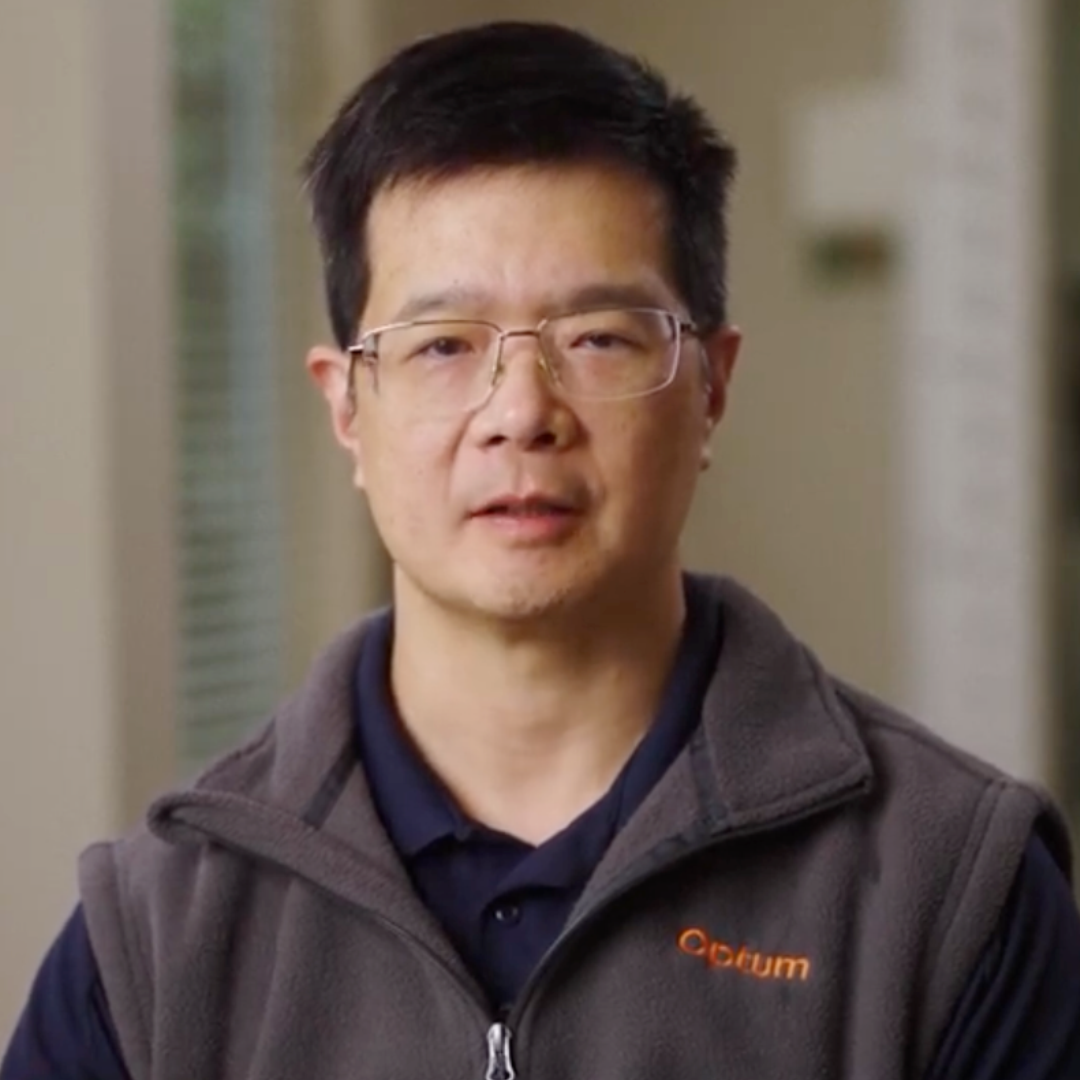
Dana F., Division President
Myth 2: “Working in hospice is emotionally overwhelming.”
Fact: Hospice is emotional, but it’s also deeply rewarding.
There’s no question that hospice work involves emotion. Supporting individuals and families during a tender time requires heart, empathy and presence.
At Optum, hospice and palliative teams have strong support structures, collaborative colleagues and resources to help them thrive in this work — including training, multidisciplinary teamwork and programs focused on well‑being.
While hospice care can be emotionally challenging at times, Lori S., vice president operations support, says it’s important to also remember how incredibly rewarding it can be. “Our teams make a positive difference in the lives of the patients and families we care for. We are the team that helps them solve problems and find answers and support.”
Lori points out the significant impact from the meaningful work involved in guiding patients and their families through tough times:
"As a hospice team member, you are entrusted with managing one of the most important parts of someone’s end-of-life journey … a very rewarding role to have."
Myth 3: “Hospice roles only involve providing end-of-life care.”
Fact: Hospice roles are diverse, collaborative and focused on whole-person support.
While end of life care is an important part of hospice, the work extends far beyond a single moment. Hospice professionals build meaningful, ongoing relationships with patients and families while also collaborating closely with interdisciplinary care teams. This creates an environment where every team member’s expertise contributes to whole-person support.
Another aspect that draws many clinicians to hospice is the wide variety of career paths available, including:
- Nursing roles (RNs, LPNs/LVNs, case managers)
- Social work
- Chaplaincy and spiritual care
- Home health aides
- Administrative and care coordination positions
- Leadership and clinical management
- Volunteer coordination
As Dana explains, hospice and palliative care offer countless ways for professionals to use their abilities and make a meaningful impact. “It’s a place where every team member belongs, contributing to a shared mission of providing peace, grace and understanding.”
Working within Optum further strengthens that experience. Team members join a community focused on compassionate care, with access to extensive learning and development programs, growth opportunities, and a collaborative environment.
Dana emphasizes that hospice work is far from a solitary endeavor. Rather, it creates a sense of deep connection and shared purpose. “Our teams can trust that we will provide all the resources they need to successfully care for their community while caring for themselves as well,” she says.
A career grounded in purpose
People who thrive in hospice tend to share a few qualities, including empathy, a calm presence, clinical confidence and a desire to connect.
Lori offers this advice to those considering the field of work: “Part of your orientation process should involve education and conversation about your outlook. [You’ll] explore your own feelings about death and dying.”
If you’re someone who wants your work to have real impact, hospice might be a great fit.
“It’s a calling that provides purpose, satisfaction and the opportunity to make a difference in people’s lives, each and every day.”

Lori S., Vice President

Tags:
Related Posts


Share This Story