Three misconceptions about working in home health
Key takeaways
- Home health clinicians at Optum are supported by a collaborative care team, including physicians, therapists and other clinicians who work together to provide quality patient care.
- Flexible scheduling helps clinicians balance travel with personal priorities while delivering convenient, patient‑centered care.
- Technology advancements at Optum streamline documentation, freeing clinicians to spend more time focusing on patients' needs.
Are you considering a career in home health but feeling unsure about what the role truly involves? You’re not alone. Health care professionals often approach home health with curiosity, but misconceptions about independence, travel and documentation can create hesitation.
Home health is a growing and evolving field that offers meaningful work, professional growth and personal fulfillment. At Optum, part of the UnitedHealth Group family of businesses, teams support clinicians who deliver care where patients often feel most comfortable: at home.
Optum delivers and coordinates personalized care for the whole person, empowering each member to receive care in the place they call home. As more individuals prefer to age in place, coordinated home-based care plays a critical role in improving outcomes and quality of life.
Within this decade, 20% of Americans will be age 65 or older. Many of these individuals manage complex health needs and receive coverage through Medicare, Medicaid or dual-eligible plans.
Let’s take a closer look at three common misconceptions about working in home health and the realities behind them.
Myth 1: The idea that home health clinicians work alone.
Fact: At Optum, clinicians are part of a connected, multidisciplinary team that works together to provide coordinated patient care.
While home health clinicians often work independently during patient visits, they are supported by a broader care team that includes physicians, therapists and clinical leaders. Care is coordinated through regular communication and structured collaboration.
Weekly case management meetings allow clinicians to review patient progress, ask questions and align on next steps. This team-based approach ensures that clinicians are supported in their roles and that patients receive consistent, high-quality care.
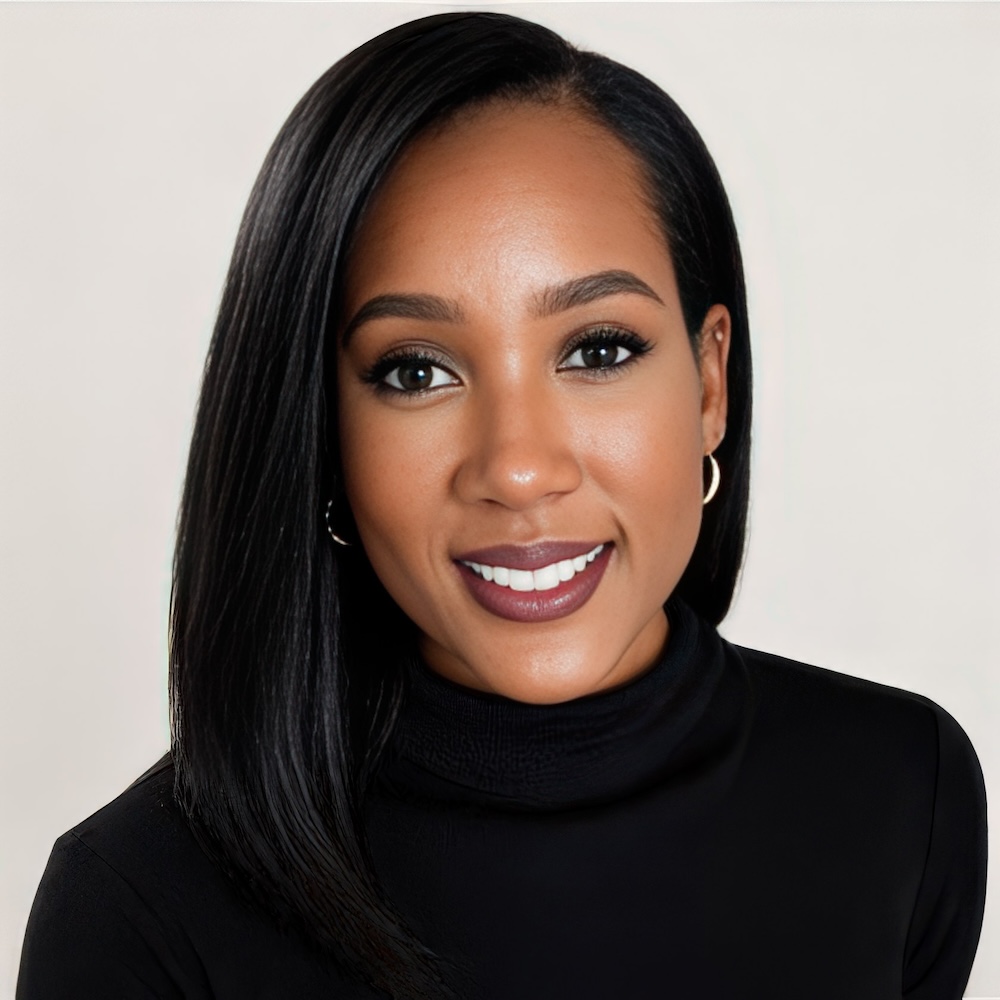
According to Christa M., executive director, nurses exploring roles outside the hospital may think about how the change could affect their skills. She adds that home health gives clinicians space to use their experience in providing individualized, responsible care.
“Home health provides so many opportunities to hone nursing skills through collaborating with experienced peers and using critical thinking to solve complex problems that may be encountered in home care settings. The enhanced opportunities to individualize care and strengthen rapport with patients and families are motivating factors for skilled clinicians looking to expand their impact.”
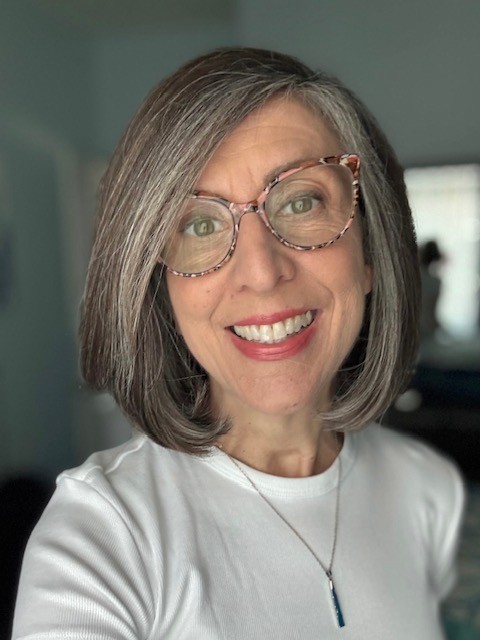
Christa M., Executive Director
Working in the home also allows clinicians to better understand a patient’s daily environment. This insight helps shape more personalized care plans while strengthening relationships with patients and families.
Myth 2: You spend all day traveling
Fact: While travel is part of home health, clinicians at Optum have the flexibility to structure their schedules in ways that support both their patients and their personal lives.
Another common belief is that home health clinicians spend most of their time driving instead of caring for patients. While travel is part of the role, home health offers flexibility. This flexibility allows clinicians to structure their days intentionally around their own timetable.
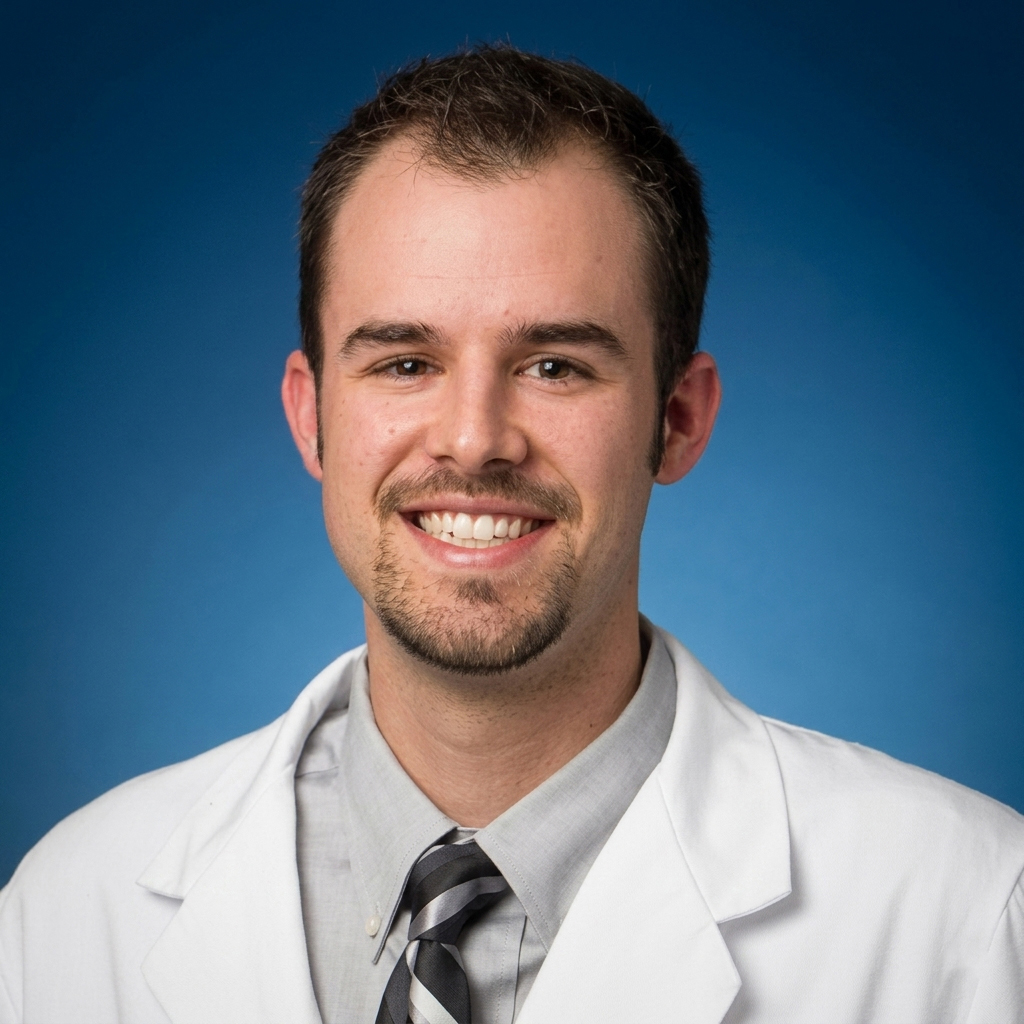
Jennifer N., division president, emphasizes that flexibility is one of the most appealing aspects of home health.
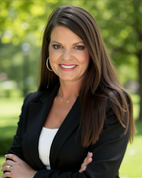
Jennifer N., Division President
“With a wide variety of shifts and days to choose from, home health offers the flexibility that allows you to enjoy both your job and your life outside of work. We blend a work-life balance so clinicians can choose a schedule that best meets both their needs and those of their patients.”
Myth 3: Home health requires excessive documentation
Fact: Documentation is part of every health care role, but home health continues to evolve with technology that streamlines charting, reduces paperwork and supports more efficient workflows.
Technology advancements are helping reduce the time clinicians spend on paperwork. Digital documentation platforms and voice-to-text tools streamline charting and allow clinicians to document more efficiently.
The goal is to eliminate unnecessary steps while maintaining accurate, timely records that support patient care and team communication.
Christa notes that technology is expanding what is possible in home health.
“Opportunities to use advanced technology and tools continue to expand as home health evolves to meet the growing need to treat patients outside of institutional settings,” Christa said. “The changing face of home health has truly expanded horizons for nurses looking to grow as professionals in less traditional settings.”
By improving documentation workflows, home health organizations support clinicians' well-being while maintaining high standards of care.
A career built on compassion
Home health offers clinicians the opportunity to build meaningful relationships and see the direct impact of their work. Patients often express gratitude for care delivered in their homes, where they feel most comfortable.
Jennifer N. highlights how rewarding this work can be:
“Home health is one of the most gratifying sectors of health care,” Jennifer said. “The countless times we hear ‘thank you’ and the smiles we receive are a testament to the profound impact we have on the lives of others.”
For clinicians seeking purpose, flexibility and connection, home health offers a unique and fulfilling career path.
Tags:
Related Posts
Share This Story